Continue Shopping
Customers Who Bought This Item Also Bought


Clean, safe and incredibly effective oral care.
Popular searches

If you have been asking “why do kids get cavities”, you are not alone. Many parents do a lot right and still feel surprised when a dental visit comes back with new spots to watch. The truth is cavities are often less about one “bad” food and more about what happens in the mouth throughout the day.
In this guide, we will break down the most common reasons kids get cavities, how snack habits and brushing after snacks change the risk, and how to build a kids oral care routine that works in real life.
Brushing twice a day helps, but it does not control everything. Cavities tend to form when teeth get repeated exposure to acids created by plaque bacteria. That exposure is often driven by timing and frequency.
Common reasons cavities still happen even with brushing:
kids snack often or sip drinks throughout the day
teeth do not get a chance to recover between exposures
brushing misses the gumline or back molars
plaque sits between teeth where brushes cannot reach
bedtime routines get rushed (the most protective brush is often the hardest one)
It is not just what kids eat. It is how often teeth are exposed.
Every time kids snack, plaque bacteria can create acids that stress enamel. When snacks happen all day long, teeth spend more time in a vulnerable state.
What helps:
fewer snack windows, more “eat then done” structure
water between meals instead of constant sipping
a quick “after snack” habit that supports the mouth (see below)
This is why many parents notice cavities even when snacks are “healthy.” Dried fruit, crackers, granola bars, and juice can all be sticky or frequent.

You do not need a full brush every time. But you do want a consistent “after snack” plan, especially for cavity-prone kids.
A simple approach:
water rinse after snacks when possible
if brushing is not realistic, avoid extended grazing and prioritize the bedtime brush
aim for a routine that keeps plaque from sitting undisturbed for long stretches
Parents do not need perfection. They need a system.
Kids’ teeth are not just smaller versions of adult teeth. Enamel is still developing, and habits matter because early routines set the tone for long-term oral health.
Things that make kids more vulnerable:
thinner enamel on baby teeth
developing brushing skills and shorter attention spans
mouth breathing or dry mouth tendencies
orthodontics (for older kids) that create more places for plaque to sit
Consistency helps because enamel support is built through repeatable daily care.
The best routine is the one your family can keep without drama.
Step 1: Brush twice daily, focus on gumline and molars
Two minutes matters. Back molars and the gumline are where plaque often hides.
Step 2: Clean between teeth once daily
If teeth touch, plaque can sit between them. Flossing does not have to be perfect. It just has to happen.
Step 3: Have an “after snack” plan
Water rinse, structured snack times, and keeping bedtime brushing consistent can change everything over time.

Parents are often choosing between “safe” and “effective.” The goal is a toothpaste that supports developing teeth with clean, purposeful ingredients.
A simple checklist:
ingredient transparency
supports enamel with biomimetic mineral care like hydroxyapatite
family-friendly, real-life safe to swallow for brushing routines
a flavor your child will actually use consistently
Cavities are not a parenting failure. They are often a routine problem, and routines can change. When you focus on snack habits, what happens after snacks, and a kids oral care routine that your child can keep, you build a stronger foundation for long-term oral health.
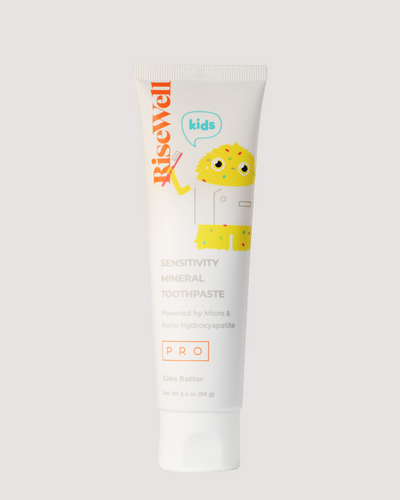
If you want to make the routine easier, start with simple, clean essentials designed for real life brushing.


Kids can be more cavity-prone due to developing enamel, frequent snacking, and brushing that misses back molars and between teeth.
Often it is snack frequency, brushing technique, and plaque between teeth. The bedtime routine and interdental cleaning are common missing pieces.
They can, especially if they are sticky, frequent, or paired with constant sipping. Timing and routine after snacks matter more than one ingredient.
Not always. A water rinse and structured snack times help, and consistent morning and nighttime brushing matters most.
Brush twice daily, clean between teeth daily when teeth touch, and have a simple after-snack plan like water rinsing and reducing grazing.